What it means to be a university social media director



You may also like


Popular resources
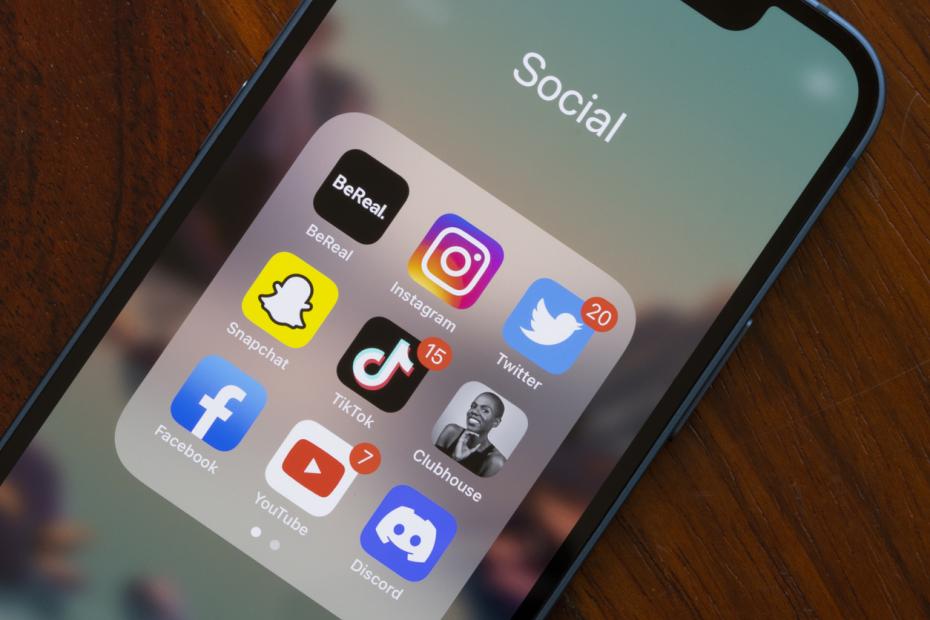
On a day-to-day level, the role of social media director involves creating content and setting strategy for a university’s flagship social media accounts. At the University of North Carolina at Chapel Hill (UNC), that means overseeing six platforms, each with its own audience, trends and expectations. No two channels function the same way and no two audiences engage for the same reasons.
As such, being successful in this role requires the ability to keep a finger on multiple pulses at once. You need to understand general social media trends while also tracking campus-specific conversations and issues in real time. You need to know how audiences differ across platforms. What performs well on Instagram may not resonate on LinkedIn, and content that thrives on TikTok will almost certainly fall flat on Facebook.
One of the most beneficial habits I’ve developed in three years doing this job is paying attention to what higher education peers are doing well. I often look to Michigan State, the University of Michigan, Ohio State and the University of Miami for inspiration. Their teams are particularly skilled at translating broader social media trends into a higher education context, balancing a peer-to-peer voice with university subject matter in ways that feel engaging rather than forced.
- Use social media to create a digital community for international students
- Campus Talks: How to use social media to promote your work
- How to preserve academic credibility when engaging with social media
However, the best ideas can come from outside higher education.
The most effective university content reads as community-forward, human content, not “university content”. The most engaging content prioritises storytelling, humanity and creativity over institutional language. When possible, it focuses on narrative rather than “news”.
For example, a video interview with beloved campus “celebrities” Whiz and Rita, campus crossing guards known for their positivity and encouragement, is one of our most engaging posts to date. Similarly, our One Good Thing video series gained international recognition and virality. These moments worked because they were authentic and community-focused.
Beyond content calendars and campaigns, the role requires having a finger on the pulse of the campus climate. That includes leadership changes and sports wins, in addition to protests, campus debates, shifts in funding and global events that directly affect the university. On the flagship social media channels, you are not communicating to a passive audience. You are communicating to people with real, personal investment in the institution: prospective students imagining themselves there, current students whose home is the campus, alumni whose identities are tied to their alma mater, faculty and staff who sustain the university and community members who grew up alongside it, even if they never attended.
University social media is not all fun and sports, though. Often, a significant amount of crisis communications is involved. Whether it’s a weather emergency such as Tropical Storm Chantal, which brought heavy rainfall in July 2025, or the devastation of 2024’s Hurricane Helene, or a lockdown situation like the August 2023 campus shooting, social media becomes a critical communication channel. During and after these moments, you have to carefully navigate what to share, when to share it and how much information is appropriate.
In 2023, for example, we had planned optimistic, fun-loving content about First Week of Classes traditions and the excitement of a new semester. Instead, our university experienced a campus shooting. In response, we pivoted to mental health resources and wellness content. In moments like these, the work often feels less like traditional brand marketing and more like town communications.
A critical lesson: understand that social media comment sections are often where communities process emotion. When people are upset about campus decisions or stressed about a campus crisis, they will share that feedback publicly, and that’s OK. Not every negative comment is an indictment of the content or strategy. Sometimes it’s simply a reflection of the campus climate.
But, when the campus climate is tense, it’s important to adjust your approach. Audiences can see through content that feels like it’s trying to change the subject or distract people from what’s happening. Let conversations run their course. Communicate the messages that need to be communicated. Take your community seriously. The fun content will still be there when it’s time to return to it.
Equally important is learning how to take breaks. This role involves a constant stream of feedback, and during tense moments, much of that feedback is negative. Setting windows for monitoring and responding to comments is essential. When those windows close, put the phone down and return during the next scheduled time unless there is an emergency.
As a social media director, the lows can be low but the highs are genuinely high. You gain access to an invested audience that cares deeply about your university’s work. You help shape moments of collective pride. You work on engaging, high-profile content, such as interviews with soccer star and UNC alum Mia Hamm or wins over Duke in basketball, and you experience the momentum of a community showing up in support during good moments.
I believe that to be successful in this role, you have to genuinely care about the value of higher education. That belief informs how you tell stories, how you respond during crises and how you engage with your community over time.
Success as a social media director comes down to building trust. Trust that is earned over time, shaped by how you show up during the hardest moments and reinforced by how thoughtfully you tell the everyday ones.
Riley Phillips was director of social media at the University of North Carolina at Chapel Hill from 2024 to 2026.
If you would like advice and insight from academics and university staff delivered direct to your inbox each week, sign up for the Campus newsletter.
